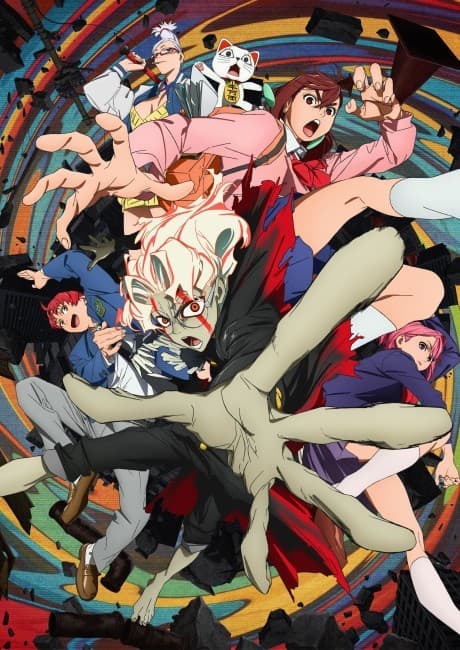
Dan Da Dan's second season doubles down on everything that made the first a phenomenon — kinetic animation, unhinged premise, and a central romance that genuinely evolves. Momo and Okarun reach new emotional depths while the occult chaos escalates beautifully.
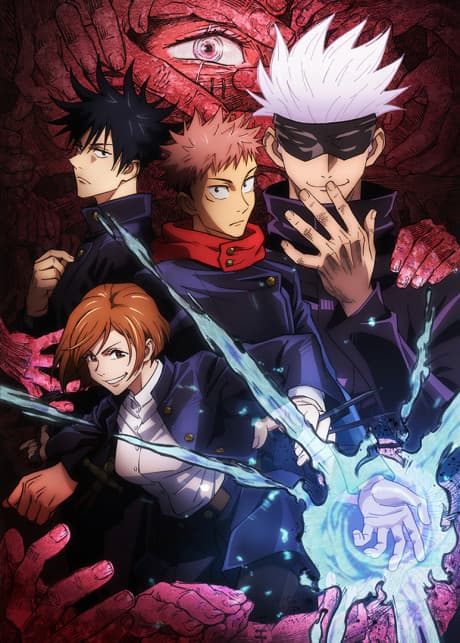
The Culling Game arc delivers everything fans hoped for, with Gege Akutami's darkest writing adapted with unflinching visual commitment.

Frieren remains one of the most emotionally nuanced anime series ever produced, turning elven immortality into a meditation on what it means to truly know another person.

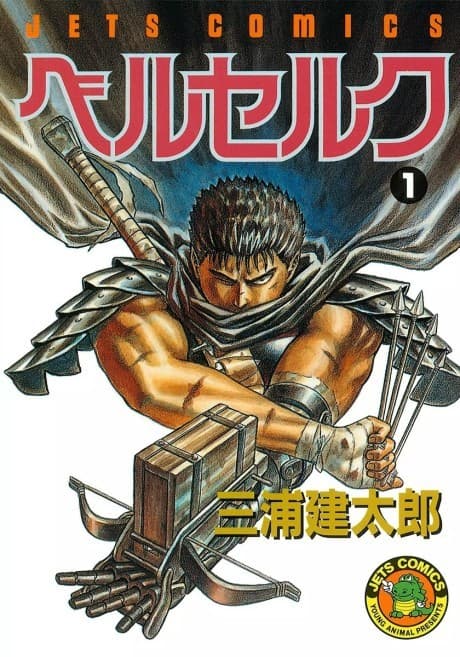
The posthumous volume, completed by Miura's studio with extraordinary care, brings Guts' journey to an arc conclusion that feels both devastating and transcendent.

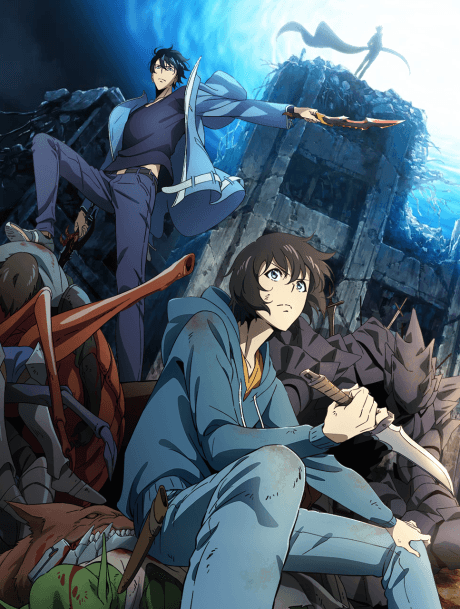
The Arise arc justifies the hype around Jinwoo's power fantasy, escalating the animation spectacle while finding just enough emotional grounding to keep stakes meaningful.

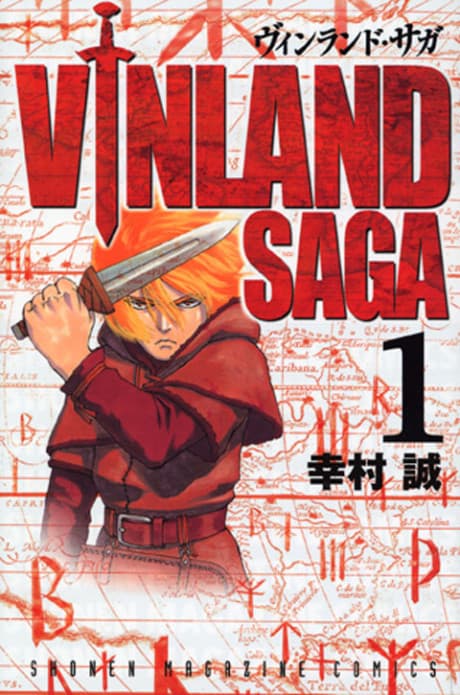
Yukimura's masterpiece continues to demonstrate that war manga can be profoundly anti-violence, with Thorfinn's diplomatic arc reaching its most complex territory yet.

The entertainment industry satire deepens as Aqua and Ruby's paths diverge. The Tokyo Blade arc is among the best single episodes of the decade.

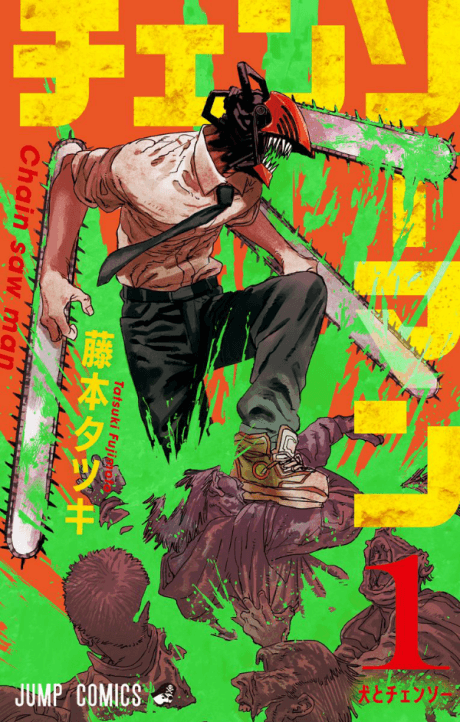
Fujimoto continues to shatter expectations with Part 2's escalating absurdism. Volume 8 delivers a mid-arc twist that recontextualizes everything that came before.

The Neo Egoist League arc hits its peak with Barou's character study, proving Blue Lock's psychological drama can match its kinetic sequences blow for blow.

Opening Frieren: Beyond Journey's End is not a fantasy anime about saving the world. It already has been saved that is the point. What it asks instead is a far

The Summer Hikaru Died opens from a position of confidence: it trusts atmosphere before explanation, and that is exactly the right call for material that depend

Witch Watch does not need to win every week to remain valuable. The current run succeeds because its comic timing is stable enough to make even lighter episodes
Blue Lock remains readable even when it is exhausting. Chapter 304 proves that again, but it also shows the cost of a series that constantly tries to top its ow

Lazarus has looked expensive from the start, but Episode 7 is one of the first times the visual confidence and the dramatic purpose move in the same direction.

Kagurabachi works when the series stops trying to look important and simply commits to momentum. Chapter 38 is a good example because the page design stays read
Wind Breaker still understands that momentum matters more than volume. Episode 6 lands because it never pauses to explain feelings that are already clear in the
The Psychology of Anime Pacing: Why Modern Shonen Works Shonen anime has evolved dramatically over the past decade. What once was formulaic filler laden televis